Frequently Asked Questions
Who pumps septic tanks near me?
The question of who pumps septic tanks near you can be addressed by contacting local septic service providers. PumperJack Septic offers reliable septic tank pumping services in the Finger Lakes region, ensuring efficient and compliant wastewater management for your business.
When is septic pumping needed?
Septic pumping is needed when the tank is full, typically every 3 to 5 years, or sooner if you notice slow drains, foul odors, or sewage backups. Regular maintenance ensures efficient operation and compliance with health regulations.
What causes septic emergencies?
Septic emergencies are caused by issues such as system overloading, blockages in pipes, lack of regular maintenance, and improper disposal of non-biodegradable materials. These factors can lead to backups, leaks, and system failures, requiring immediate attention.
How much pumping cost?
The cost of septic pumping varies based on factors such as tank size and location. Typically, prices range from $200 to $500. For an accurate quote, contact PumperJack Septic for your specific needs in the Finger Lakes region.
Is pumping necessary?
Pumping is necessary for maintaining the efficiency and longevity of your septic system. Regular pumping prevents clogs, backups, and costly repairs, ensuring compliance with health regulations and proper wastewater management for your business.
What is septic pumping cost?
The cost of septic pumping varies based on factors like tank size, location, and service provider. Generally, prices range from $200 to $500, with PumperJack Septic offering competitive rates in the Finger Lakes region.
Who does septic pumping?
Septic pumping is typically performed by licensed septic service providers like PumperJack Septic. These professionals have the expertise and equipment necessary to safely and effectively pump and maintain septic systems for businesses.
Why pump septic?
The importance of pumping a septic system lies in preventing system failure and costly repairs. Regular pumping ensures efficient wastewater management, compliance with health regulations, and extends the lifespan of the system, safeguarding your business operations.
What is pumper jack used?
PumperJack is used for providing essential septic services, including pumping, drain cleaning, and grease trap maintenance, specifically tailored for commercial businesses in the Finger Lakes region to ensure efficient wastewater management and regulatory compliance.
Is septic pumping expensive?
The cost of septic pumping can vary based on factors such as the size of the tank and the frequency of service. However, regular pumping is a cost-effective way to prevent costly repairs and ensure efficient wastewater management for your business.
How long pumping takes?
The duration of septic pumping typically takes between 30 minutes to a few hours, depending on the tank size and level of waste. PumperJack Septic ensures efficient service to minimize disruption to your business.
Where pump septic?
The location for septic pumping typically includes residential or commercial properties with septic systems. PumperJack Septic provides expert pumping services throughout the Finger Lakes region, ensuring efficient wastewater management for your business.
Is pumper jack effective?
PumperJack is highly effective in providing reliable septic services for businesses. Our expertise in septic pumping, drain cleaning, and grease trap maintenance ensures efficient wastewater management and compliance with health regulations in the Finger Lakes region.
How much is septic pumping?
The cost of septic pumping varies based on factors such as tank size and location, typically ranging from $200 to $500. For accurate pricing, contact PumperJack Septic for a tailored quote based on your specific needs.
What are signs of septic system failure?
The signs of septic system failure include slow drains, unpleasant odors, sewage backups, and pooling water around the drain field. Recognizing these symptoms early can prevent costly repairs and ensure proper wastewater management for your business.
How to choose a septic service provider?
Choosing a septic service provider involves evaluating their experience, customer reviews, and range of services. Ensure they are licensed and insured, and inquire about their emergency services and maintenance plans to meet your business needs effectively.
What maintenance is required for septic systems?
The maintenance required for septic systems includes regular pumping, drain cleaning, and inspections to ensure proper function and compliance with health regulations. Routine care helps prevent costly repairs and system failures.
How often should septic tanks be pumped?
Septic tanks should be pumped every 3 to 5 years, depending on usage and tank size. Regular pumping helps prevent backups and ensures efficient wastewater management for your business.
What are the risks of neglecting septic pumping?
The risks of neglecting septic pumping include system backups, costly repairs, and potential health hazards due to untreated wastewater. Regular maintenance is essential to ensure efficient operation and compliance with health regulations.
How to prevent septic system emergencies?
Preventing septic system emergencies involves regular maintenance, such as routine pumping and drain cleaning, avoiding the disposal of non-biodegradable items, and monitoring water usage to prevent overload.
What is the process of septic pumping?
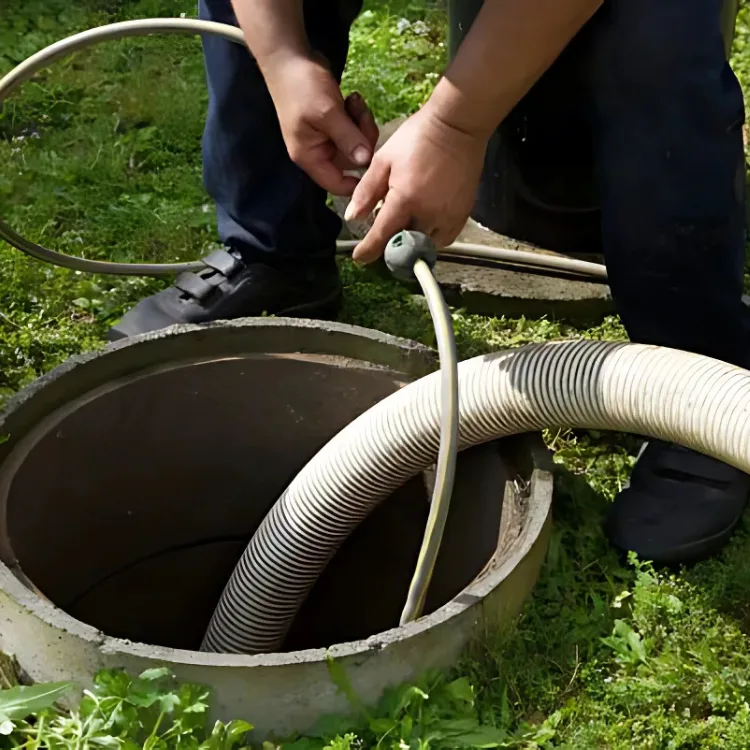
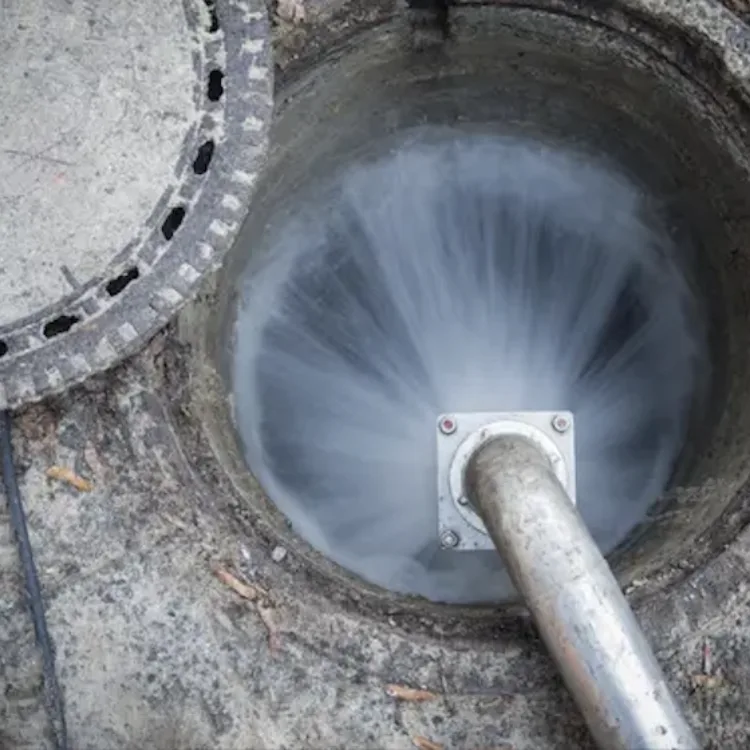
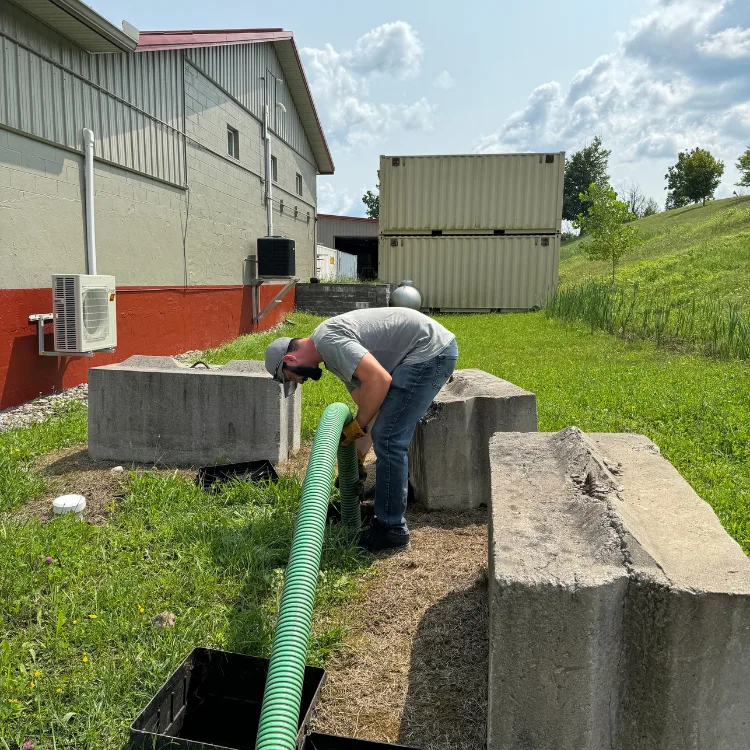
The process of septic pumping involves removing accumulated waste and sludge from the septic tank using specialized vacuum trucks. This ensures proper wastewater management and prevents system backups, promoting the longevity of your septic system.
What equipment is used for septic pumping?
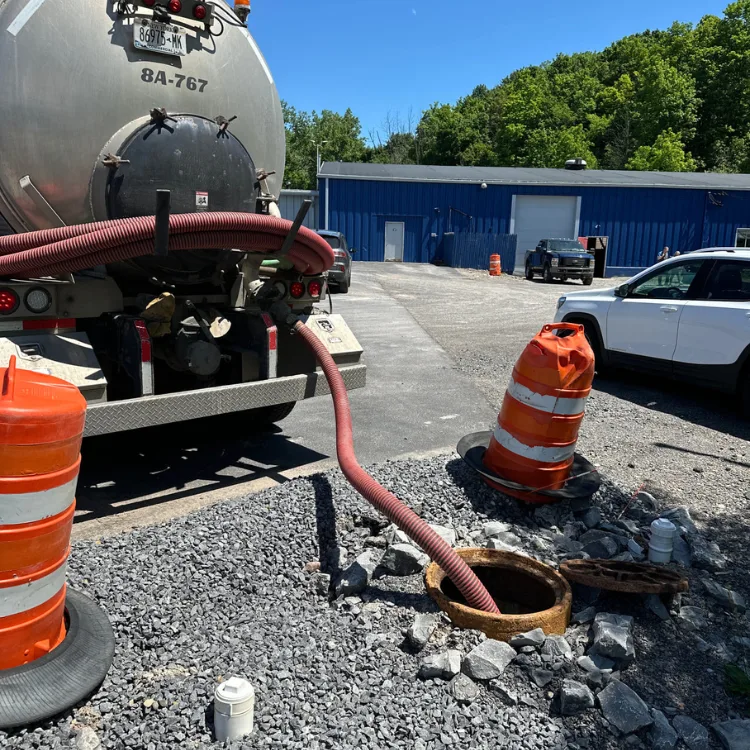
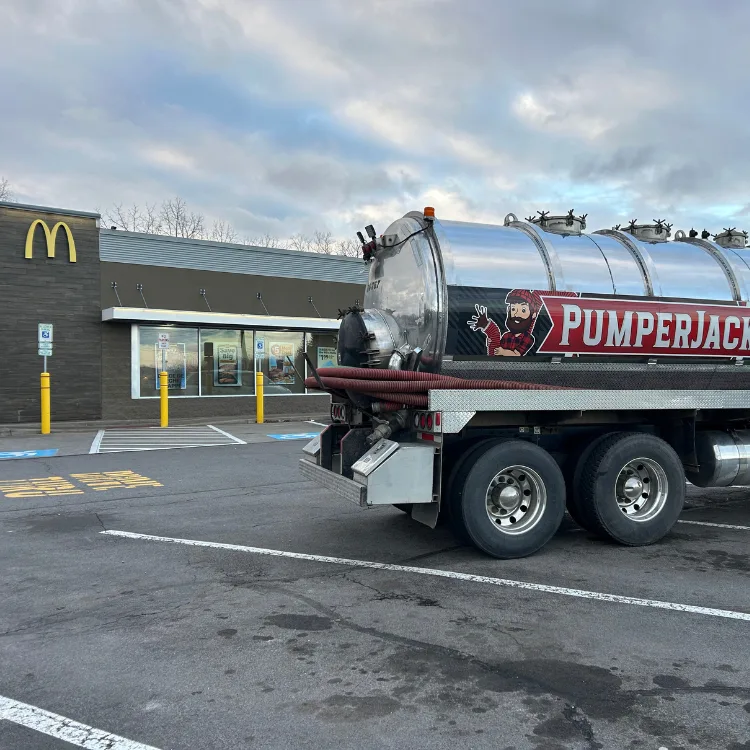
The equipment used for septic pumping includes vacuum trucks, which are specially designed to suction waste from septic tanks, along with hoses and pumps that facilitate the transfer of waste to treatment facilities.
How to identify septic tank location?
Identifying the septic tank location involves looking for specific indicators such as the access cover, usually marked by a small rectangle or circular shape in the yard, or consulting the property’s original blueprints for precise placement.
What are the benefits of regular septic maintenance?
The benefits of regular septic maintenance include improved system efficiency, prevention of costly repairs, and compliance with health regulations. Routine care helps avoid emergencies and ensures proper wastewater management for your business.
How does weather affect septic system performance?
Weather significantly impacts septic system performance. Heavy rainfall can saturate the soil, leading to reduced absorption and potential backups, while extreme cold can freeze components, hindering functionality. Regular maintenance helps mitigate these weather-related issues.
What should I do during a septic emergency?
During a septic emergency, it's crucial to act quickly. First, stop using water in your business to prevent further issues. Then, contact PumperJack Septic immediately for professional assistance to address the problem effectively.
How to prepare for septic pumping service?
Preparing for septic pumping service involves clearing the area around the septic tank and ensuring access for the service vehicle. Additionally, inform your service provider of any potential obstacles or concerns regarding your system.
What are common septic system myths?
Common septic system myths include the belief that all waste is broken down naturally, that you can flush anything down the toilet, and that regular maintenance isn't necessary. In reality, proper care and professional services are essential for optimal function.
How to troubleshoot septic system issues?
Troubleshooting septic system issues involves checking for signs of backups, slow drains, or foul odors. Begin by inspecting the tank for clogs, ensuring proper drainage, and monitoring for any unusual changes in water levels.
What regulations apply to septic pumping services?
Regulations that apply to septic pumping services include local health department codes and state environmental regulations, which ensure safe disposal of wastewater and compliance with sanitation standards to protect public health and the environment.