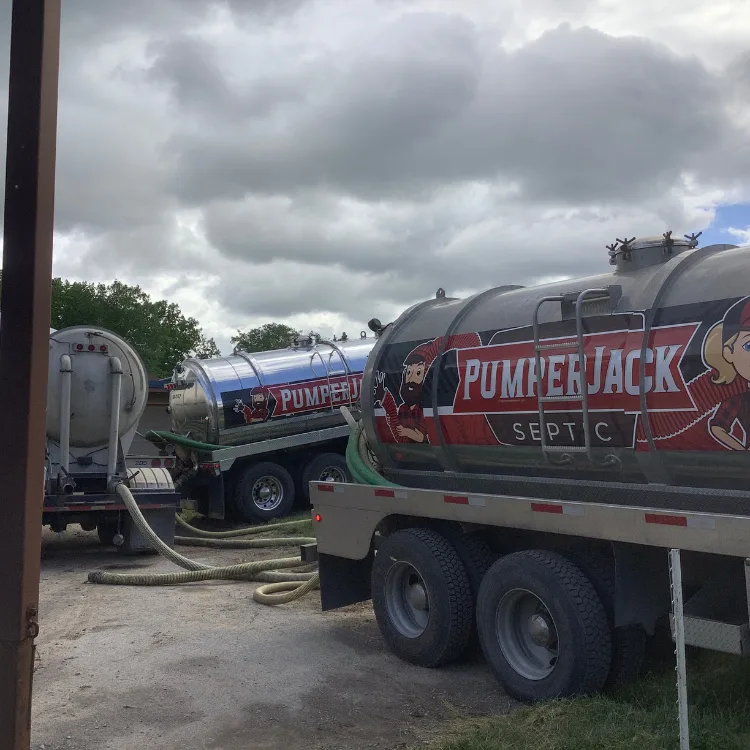
PumperJack Septic proudly partners with municipalities across the Finger Lakes and surrounding communities, including Auburn, Geneva, Canandaigua, Seneca Falls, Skaneateles, Wolcott, and Sodus. We deliver dependable septic and wastewater services that keep local systems efficient, compliant, and environmentally safe. Our municipal offerings include sludge hauling, lift station cleaning, wastewater management, and sewer clean-outs.
Sludge Hauling
Reliable sludge and bulk waste hauling services for municipalities in Wolcott, Lyons, and Auburn. PumperJack ensures the safe removal and disposal of wastewater sludge and other non-hazardous materials, helping towns maintain compliance and efficiency.
ensures safe waste removal
supports efficient operations
complies with environmental regulations
Lift Station Cleaning
Our lift station cleaning services help towns across Sodus, Canandaigua, and Seneca Falls prevent buildup, improve wastewater flow, and extend equipment life for dependable system performance.
prevents debris & grease buildup
maintains efficient operations
extends equipment lifespan
Wastewater Solutions
PumperJack delivers complete wastewater management solutions for municipalities in Geneva, Newark, and Wolcott, ensuring efficient treatment, proper waste handling, and full regulatory compliance.
promotes efficient treatment
ensures proper waste management
meets regulatory standards
Sewer Clean-Out
Our professional sewer clean-out services keep municipal systems in Clyde, Sodus, and Waterloo running smoothly by removing blockages and maintaining reliable wastewater flow.
removes sewer blockages effectively
maintains optimal flow
supports wastewater management goals
Municipal Septic FAQ
What municipal septic services do you offer?
PumperJack Septicprovidesmunicipal services including sludge hauling, lift station cleaning, wastewater management solutions, and sewer clean-outs. We help municipalities maintain safe, efficient, and compliant public systems.
Do you work with public works departments and municipal contracts?
Yes. We regularly partner with public works departments and municipalities throughout the Finger Lakes region. Our team understands municipal requirements and works reliably within established schedules, procedures, and contracts.
How do you help municipalities stay compliant with regulations?
Our services follow environmental and wastewater regulations to ensure safe disposal, proper system function, and regulatory compliance. We help identify issues early and support municipalities in meeting state and local standards.
Used to determine whether a user is included in an A / B or Multivariate test.
18 months
_ga
ID used to identify users
2 years
_gali
Used by Google Analytics to determine which links on a page are being clicked
30 seconds
_ga_
ID used to identify users
2 years
_gid
ID used to identify users for 24 hours after last activity
24 hours
_gat
Used to monitor number of Google Analytics server requests when using Google Tag Manager
1 minute
_gac_
Contains information related to marketing campaigns of the user. These are shared with Google AdWords / Google Ads when the Google Ads and Google Analytics accounts are linked together.
90 days
__utma
ID used to identify users and sessions
2 years after last activity
__utmt
Used to monitor number of Google Analytics server requests
10 minutes
__utmb
Used to distinguish new sessions and visits. This cookie is set when the GA.js javascript library is loaded and there is no existing __utmb cookie. The cookie is updated every time data is sent to the Google Analytics server.
30 minutes after last activity
__utmc
Used only with old Urchin versions of Google Analytics and not with GA.js. Was used to distinguish between new sessions and visits at the end of a session.
End of session (browser)
__utmz
Contains information about the traffic source or campaign that directed user to the website. The cookie is set when the GA.js javascript is loaded and updated when data is sent to the Google Anaytics server
6 months after last activity
__utmv
Contains custom information set by the web developer via the _setCustomVar method in Google Analytics. This cookie is updated every time new data is sent to the Google Analytics server.
pumper jack, emergency septic pumping, emergency septic pumping near me, municipal septic services, municipal wastewater management, municipal septic contracts, municipal sewer service, municipal sewage management, municipal septic maintenance, municipal septic systems, municipal wastewater solutions, municipal service contracts, town sewage systems, municipal septic in Central New York, municipal septic in Finger Lakes, municipal sewer systems, municipal wastewater planning, municipal infrastructure septic, septic pumping service near me, septic pumping near me, septic tank pumping services near me, septic tank cleaning near me, pumperjack septic, pumperjack septic reviews, septic repair near me, pumperjack septic vs a verdi septic, pumperjack septic emergency service comparison, emergency septic pump near me, pumperjack septic official website, pumperjack septic emergency service, pumperjack septic maintenance plans comparison, wastewater hauling
Understanding Municipal Septic Contracts
PumperJack Septic specializes in working with municipalities, understanding the unique requirements and intricacies of municipal septic service contracts. We ensure that our services align with established procedures, schedules, and the specific terms of each contract, providing reliable and compliant wastewater management solutions.
Our expertise includes navigating the complexities of public works agreements, adhering to all contractual obligations, and maintaining transparent communication throughout the service period. We are committed to fostering long-term partnerships with local governments by consistently delivering high-quality services that meet budgetary and regulatory demands.