Frequently Asked Questions
How can I find reliable septic services in my area?
Finding reliable septic services in your area involves researching local companies, reading customer reviews, and checking for proper licensing and insurance. Additionally, consider asking for recommendations from neighbors or friends to ensure quality service.
What should I expect during a septic pumping service?
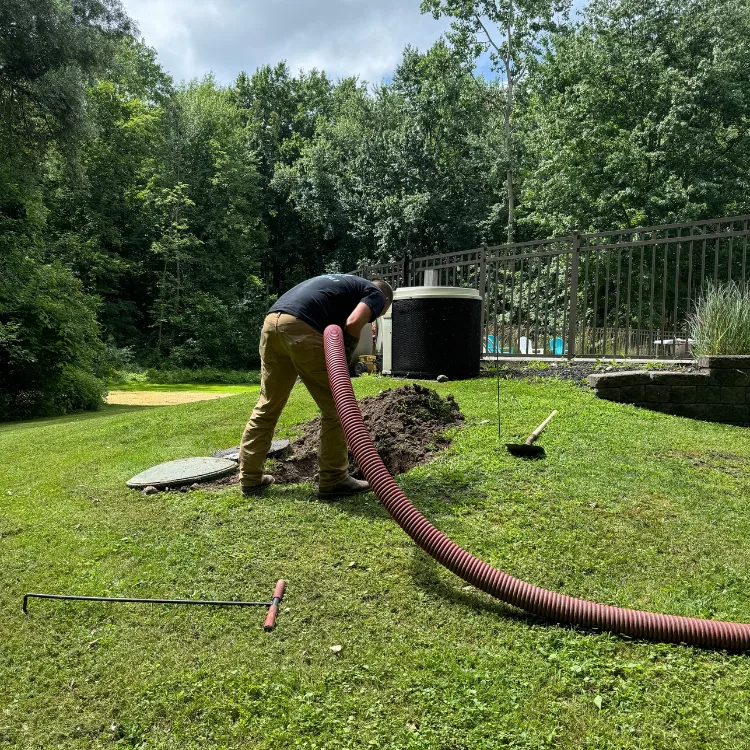
During a septic pumping service, you can expect a thorough assessment of your septic system, followed by the removal of sludge and waste from the tank to ensure optimal functioning and prevent potential issues.
How often should I schedule septic inspections?
The frequency of septic inspections should be every 1 to 3 years, depending on your system and usage. Regular inspections help identify potential issues early, ensuring your septic system operates efficiently and prevents costly repairs.
What are the signs that my septic system needs pumping?
The signs that your septic system needs pumping include slow drains, gurgling sounds in pipes, foul odors near the tank, and pooling water in your yard. If you notice any of these symptoms, it's time to schedule a septic service.
Can you explain the benefits of regular septic maintenance?
The benefits of regular septic maintenance include preventing costly repairs, extending the lifespan of your septic system, and ensuring efficient operation. Routine inspections and pumping help to avoid backups and system failures, promoting a healthy home environment.
What factors affect septic service reliability?
The factors affecting septic service reliability include the expertise of the service provider, the quality of equipment used, frequency of maintenance, and the specific conditions of the septic system and soil. Regular inspections and prompt repairs also enhance reliability.
How do I choose a septic service provider?
Choosing a septic service provider involves researching their experience, checking for proper licensing and insurance, reading customer reviews, and ensuring they offer a full range of services, including pumping, inspections, and maintenance.
What is included in a septic pumping service?
A septic pumping service includes the removal of solid waste and sludge from the septic tank, ensuring proper system function. Additionally, it may involve inspecting the tank and components for any signs of damage or needed maintenance.
How can I prepare for septic pumping?
Preparing for septic pumping involves ensuring clear access to your septic tank, marking any underground utilities, and minimizing water usage in your home on the day of service. This helps facilitate a smooth and efficient pumping process.
What are common septic system problems?
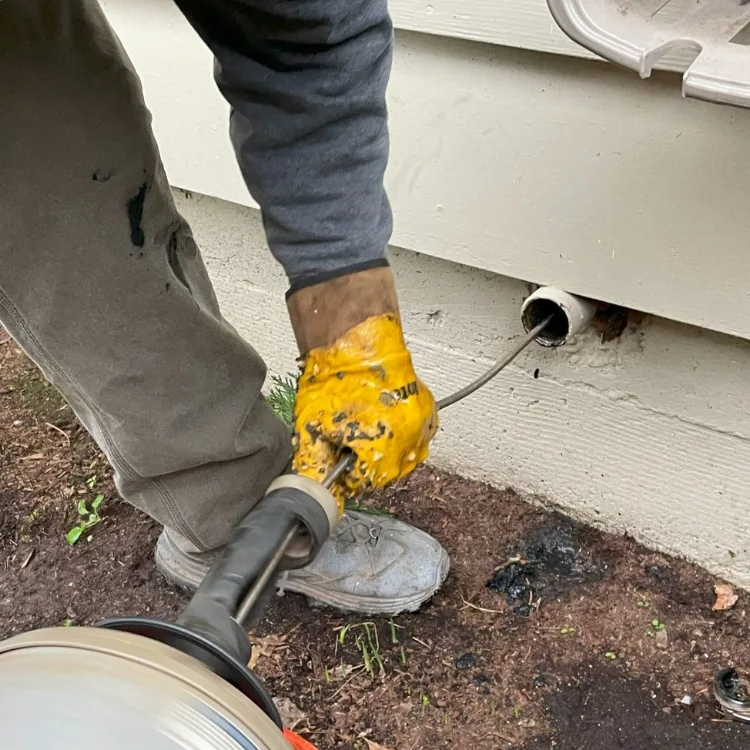
Common septic system problems include clogs, leaks, foul odors, and slow drainage. These issues can arise from improper maintenance, excessive water usage, or the presence of non-biodegradable materials in the system. Regular inspections can help prevent these problems.
How do I maintain my septic system?
Maintaining your septic system involves regular pumping every 3-5 years, avoiding harsh chemicals, conserving water, and being mindful of what goes down the drains. Regular inspections can also help identify potential issues early.
What are the costs of septic services?
The costs of septic services can vary based on the type of service required, such as pumping, inspections, or maintenance. Typically, homeowners can expect to pay between $200 to $500 for routine pumping, while inspections may range from $100 to $300.
How long does septic pumping take?
The duration of septic pumping typically ranges from 30 minutes to a few hours, depending on the tank size and the specific conditions of your system. Regular maintenance can help streamline this process.
What equipment is used for septic pumping?
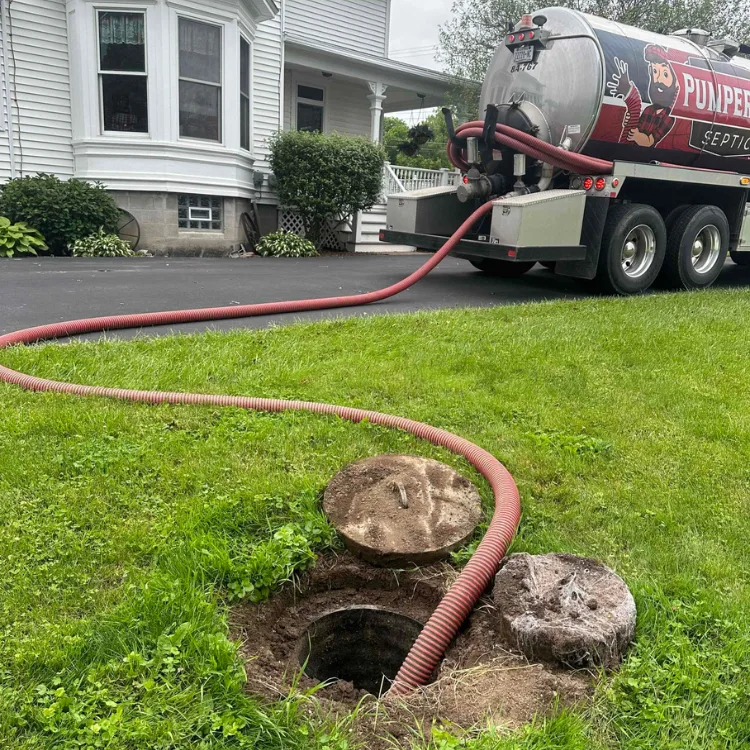
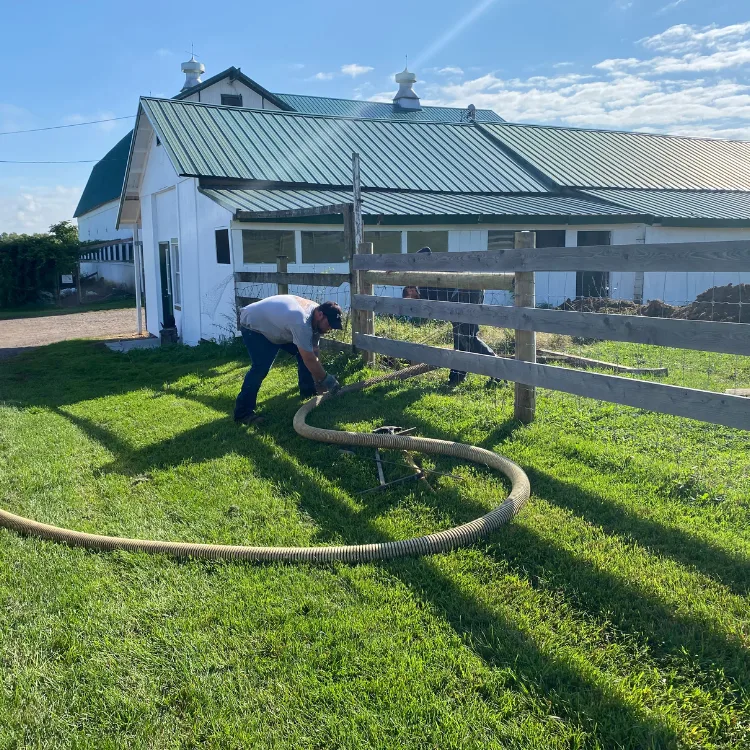
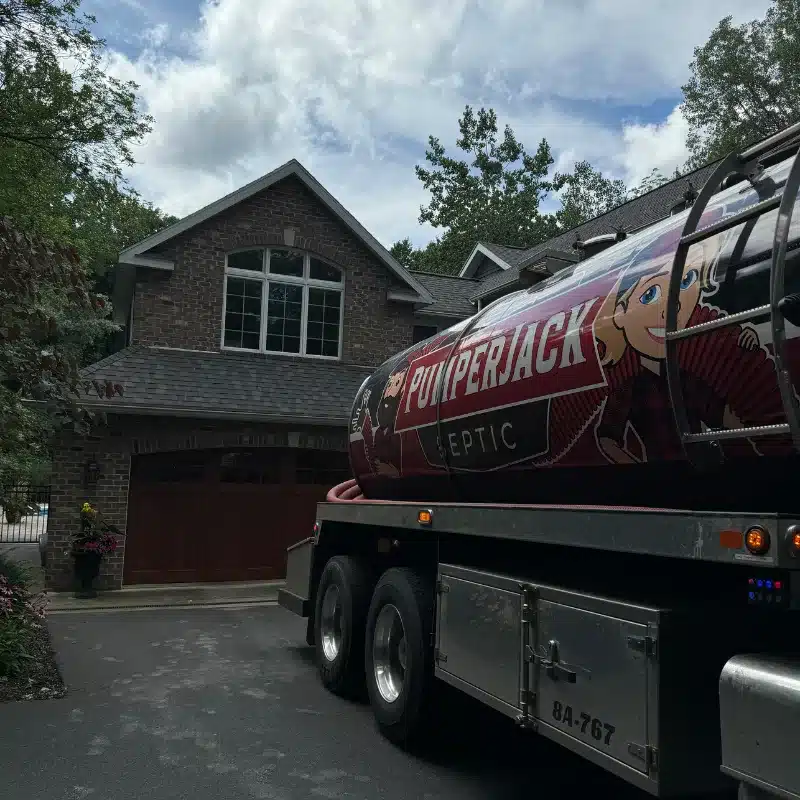
The equipment used for septic pumping includes specialized vacuum trucks, hoses, and pumps designed to efficiently remove waste and sludge from septic tanks, ensuring proper maintenance and optimal system performance.
How can I locate my septic tank?
Locating your septic tank can be done by checking your property’s blueprints, looking for inspection ports or manholes in your yard, or using a metal detector to find buried components. Additionally, contacting PumperJack Septic for assistance can provide expert guidance.
What should I do after septic pumping?
After septic pumping, it’s essential to monitor your system for any unusual odors or slow drainage. Additionally, avoid flushing non-biodegradable items and schedule regular inspections to maintain optimal performance.
How can I prevent septic system issues?
Preventing septic system issues involves regular maintenance, such as scheduling routine inspections and pumping every 3-5 years, avoiding flushing non-biodegradable items, and conserving water to reduce strain on the system.
What are the benefits of septic inspections?
The benefits of septic inspections are essential for maintaining system efficiency and preventing costly repairs. Regular inspections help identify potential issues early, ensuring your septic system operates smoothly and prolonging its lifespan.
How often should I pump my septic tank?
The frequency of pumping your septic tank depends on several factors, but generally, it should be done every 3 to 5 years to maintain optimal system performance and prevent costly issues. Regular maintenance is key to a healthy septic system.
What happens during a septic inspection?
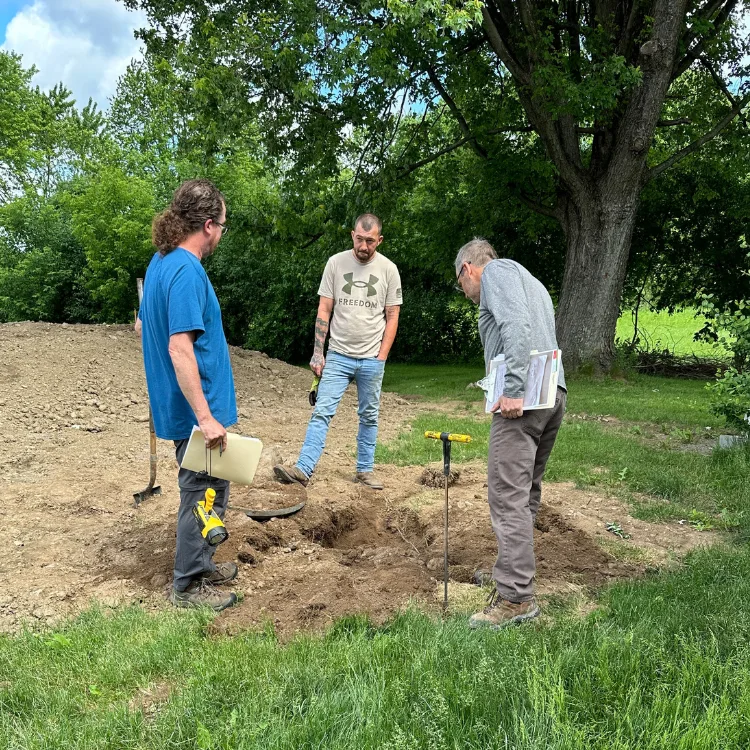
A septic inspection involves a thorough assessment of the septic system, including checking the tank, drain field, and all components for functionality, signs of leaks, and overall condition to ensure proper operation and prevent future issues.
What are the signs of a failing septic system?
The signs of a failing septic system include slow drains, unpleasant odors, sewage backups, and pooling water around the septic tank or drain field. If you notice these issues, it's essential to seek professional assistance promptly.
How can I extend my septic systems lifespan?
Extending your septic system's lifespan involves regular maintenance, such as pumping every 3-5 years, avoiding harsh chemicals, conserving water, and being mindful of what goes down the drains. These practices help prevent costly repairs and ensure optimal performance.
What should I avoid flushing down the toilet?
The items to avoid flushing down the toilet include paper towels, feminine hygiene products, wipes, food scraps, and medications. These can clog your septic system and lead to costly repairs.
How does weather affect septic systems?
Weather significantly affects septic systems. Heavy rainfall can lead to system overloads, while freezing temperatures may cause pipes to freeze, impacting functionality. Regular maintenance is essential to ensure your system operates efficiently throughout varying weather conditions.
What are the environmental impacts of septic systems?
The environmental impacts of septic systems include potential contamination of groundwater and surface water if not properly maintained. Regular inspections and maintenance help mitigate these risks, ensuring that septic systems function efficiently and protect local ecosystems.
How can I find emergency septic services?
Finding emergency septic services can be straightforward. Start by searching online for local septic service providers in the Finger Lakes region, and check for those that offer 24/7 emergency assistance. Additionally, ask neighbors or friends for recommendations.
What is hydro jetting for septic systems?
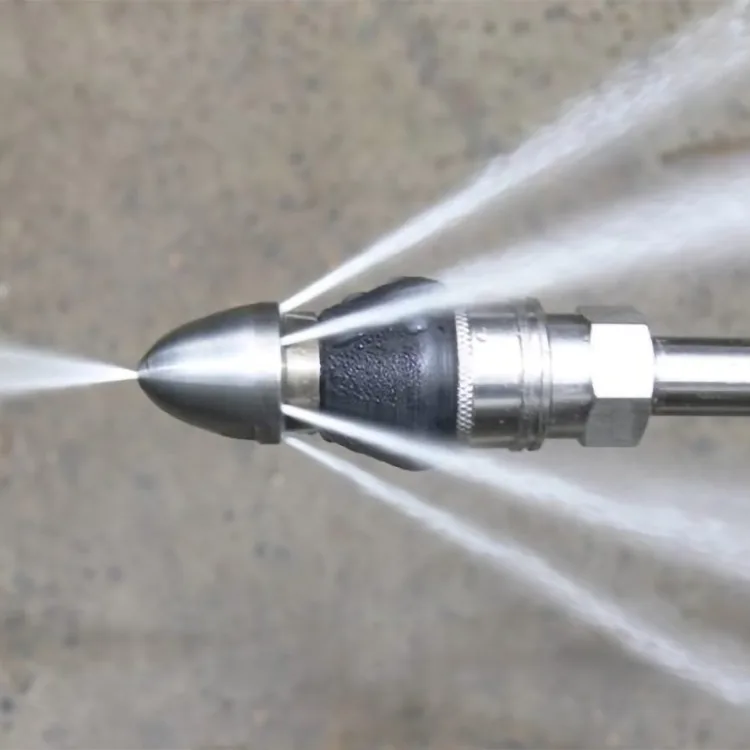
Hydro jetting for septic systems is a powerful cleaning method that uses high-pressure water jets to clear blockages and buildup in pipes, ensuring optimal flow and preventing costly repairs.
How do I know if my septic tank is full?
The signs that indicate your septic tank is full include slow drains, gurgling sounds in your plumbing, and sewage backup in your home or yard. Regular inspections can help monitor your tank's status.
What are the best practices for septic maintenance?
The best practices for septic maintenance include regular pumping every 3-5 years, avoiding harsh chemicals, conserving water, and scheduling routine inspections to ensure system efficiency and prevent costly repairs.
How can I troubleshoot septic system issues?
Troubleshooting septic system issues involves checking for signs of backups, slow drains, or foul odors. Inspect the tank and drain field for visible problems, and ensure proper maintenance, such as regular pumping and inspections, to prevent further complications.