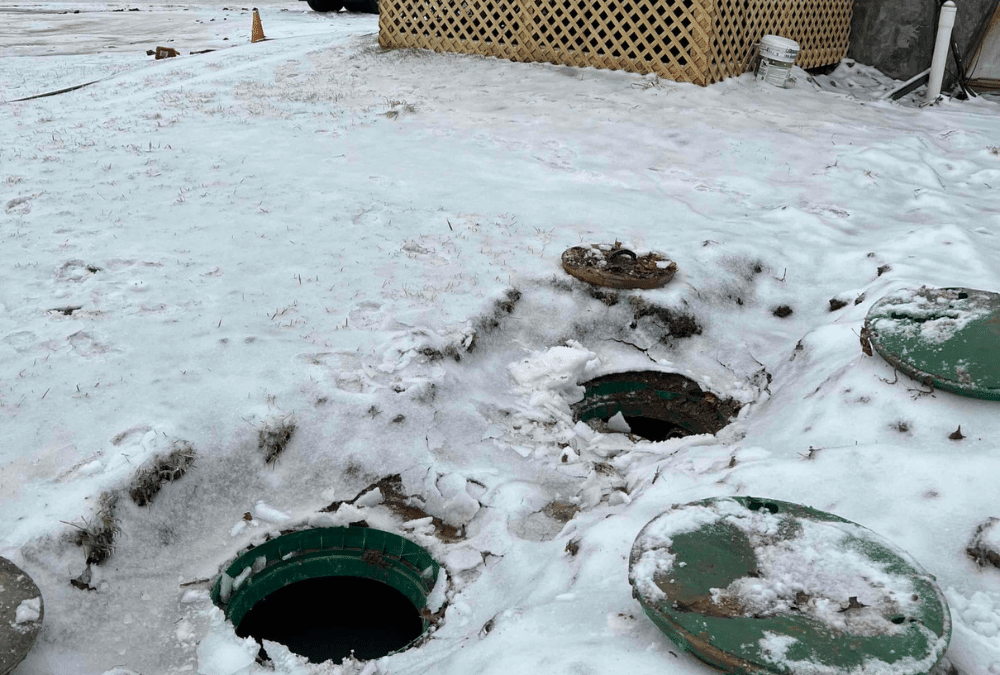
Winter can be deceptively tough on a septic system. Everything may look fine on the surface, but underground, freezing temperatures, compacted snow, and saturated soil can create the perfect conditions for slow drains, odors, and even a full-blown septic backup. The tricky part is that winter septic issues often start quietly—then escalate quickly when the ground is frozen and access is harder.
The good news is that most cold-weather problems are preventable. With a few smart habits and some basic awareness, you can protect your tank, lines, and drainfield all season long. And if you’re dealing with warning signs or want professional guidance, PumperJack Septic can help with septic service, troubleshooting, and setting up a realistic plan to avoid winter emergencies.
Why winter creates unique septic problems
Your septic setup depends on three main things working together: wastewater needs to flow through the plumbing and out to the tank, the tank needs to separate and break down waste, and the drainfield needs to absorb and treat liquid. Winter can interrupt any of those steps.
Cold weather increases risk because:
- Soil can freeze and shift, affecting how lines sit and drain
- Thaw cycles can saturate the ground and reduce absorption
- People often use more water indoors (longer showers, holiday guests, extra laundry)
- Snow removal and vehicle traffic can compact soil over the drainfield
When systems struggle in winter, it’s usually a combination of septic line freezing risk and drainfield stress from wet, cold conditions.
What a frozen septic line looks like (before it becomes a crisis)
A frozen septic line doesn’t always announce itself dramatically at first. Often, it starts with a gradual change in how fixtures behave.
Common early signs include:
- Slow drains that seem to worsen over a few days
- Toilets that flush sluggishly or incompletely
- Gurgling sounds in drains after flushing
- Wastewater smell near a drain or basement area
- Water backing up in the lowest tub or shower
If you notice a pattern that lines up with a cold snap, freezing becomes a strong possibility. That said, similar symptoms can also come from a full tank or a blockage. If multiple fixtures are affected, it’s time to call PumperJack Septic to narrow down the cause and prevent damage.
How septic lines freeze (and why some homes are more at risk)
Septic lines generally freeze when wastewater is moving too slowly and the pipe environment is cold enough to lock it up. That can happen for several reasons.
A home is more likely to experience septic pipe freezing if:
- The pipe is shallow or has minimal soil cover
- The line has low spots that allow standing water
- The line slope is poor, so flow is sluggish
- The system is used intermittently (seasonal property)
- Snow is repeatedly removed down to bare ground above the line
- Vehicles or equipment compact the area, reducing insulation
Freezing tends to happen in predictable locations: near bends, in shallow stretches, or where standing water collects due to partial clogs. In other words, freezing is often a symptom of another issue like poor slope, buildup, or reduced flow.
The drainfield factor: winter absorption is not the same as summer absorption
Even if your lines aren’t freezing, winter can stress the drainfield. The drainfield needs oxygen and available soil space to filter and treat wastewater. When soil is cold, saturated, or partially frozen, it simply can’t absorb as efficiently.
This is why winter issues often show up after:
- heavy snowfall followed by warm-up
- long wet periods
- freeze-thaw cycles
- holiday water-use spikes
If the drainfield can’t absorb well, you may experience slow drains and odors even if the tank isn’t “full” in the traditional sense. That’s also why “just run more water” is not a great winter strategy.
What not to do when drains slow down in winter
When homeowners suspect freezing, the instinct is to fight cold with heat. But some common “fixes” can actually make the problem worse or create new damage.
Avoid these winter septic mistakes:
- Don’t run hot water constantly for hours “to thaw it out”
- Don’t use chemical drain openers as a routine winter solution
- Don’t pour antifreeze, salt, or chemicals into drains
- Don’t use open flame methods on pipes
- Don’t keep flushing and hoping it will clear
Constant water flow can overload a stressed system, and chemical products can disrupt the bacterial balance in the tank. If you suspect freezing or a developing backup, your best move is to reduce water use and get professional help from PumperJack Septic.
Winter prevention that actually works
The goal in winter is simple: keep wastewater flowing, protect your drainfield, and avoid overload. You don’t need complicated tools—just smart routines.
Keep water use steady (not spiky)
A septic system loves consistency. Big water spikes can push solids around in the tank and strain the drainfield. In winter, that’s especially risky because the drainfield may already be less absorbent.
Practical ways to smooth out water use:
- Spread laundry loads across the week instead of doing them all in one day
- Avoid stacking the dishwasher, laundry, and multiple showers back-to-back
- Keep showers shorter during high-use times (like holidays and weekends)
- Encourage guests to space out baths, showers, and laundry
If your household is large or you hosted guests recently, and your drains feel slower, that’s a good time to consider a septic inspection with PumperJack Septic.
Fix leaks immediately
A running toilet can add a surprising amount of water to your system every day. In winter, that additional flow can overload a drainfield that’s already struggling.
Fixing:
- running toilets
- dripping faucets
- leaking shower valves
…is one of the simplest ways to reduce winter septic stress and prevent septic backup.
Protect the area above septic lines and the drainfield
Snow can actually provide insulation. The problem isn’t snow existing—it’s removing it down to bare ground repeatedly, or compacting it with vehicles and plows.
Protect your system by:
- Avoiding parking on the drainfield
- Keeping heavy equipment off the drainfield area
- Not plowing down to bare ground over known septic lines
- Avoiding repeated foot traffic that compacts snow and soil
Compaction reduces insulation and can contribute to freezing. It also makes it harder for the drainfield to function properly.
Be cautious with seasonal or intermittent properties
If you have a vacation home or a property that’s used occasionally, you’re at higher risk for freezing. Infrequent use can lead to standing water in the line—especially if there’s a low spot or a partial blockage.
If you use a seasonal property in winter, keep water use intentional and avoid sudden heavy bursts after long periods of inactivity. If you’re unsure your system is set up for winter use, PumperJack Septic can help evaluate risk and recommend practical adjustments.
Does pumping help with winter problems?
Sometimes, yes—especially if the tank is close to full. If your tank is overdue for service, winter water-use patterns and reduced drainfield absorption can push the system past its comfort zone.
Septic pumping helps by:
- restoring capacity in the tank
- reducing the chance of solids reaching the drainfield
- lowering the likelihood of backups during high-use periods
However, pumping is not a “cure-all” for a frozen line. If the main issue is septic line freezing, the right solution depends on where and why the freeze is happening. That’s why a proper evaluation matters. PumperJack Septic can determine whether pumping, line service, or another approach is most appropriate.
What to do if you suspect a frozen septic line
If you believe you’re dealing with freezing, you can do a few safe, immediate steps while you wait for professional help.
Safe actions:
- Reduce water use right away
- Pause laundry and dishwasher cycles
- Avoid long showers or multiple flushes
- Keep your home heat stable (avoid big temperature drops)
- Note which fixtures are affected and whether symptoms are getting worse
If multiple drains are slow and you’re seeing gurgling or odor, it’s time to contact PumperJack Septic. Getting ahead of the problem can prevent a backup and reduce the chances of pipe damage.
When to call PumperJack Septic in winter
Winter isn’t the season to “wait and see” with septic warning signs. Contact PumperJack Septic if you notice:
- multiple slow drains at the same time
- repeated gurgling sounds or bubbling toilets
- strong sewage odors inside or outside
- water backing up in a tub or lowest drain
- wet spots appearing near the tank or drainfield during freeze/thaw cycles
- any sign of septic backup
Early service can keep a small winter issue from becoming an emergency in freezing conditions.
Winter takeaway
Cold weather changes how your septic system behaves. Lines can freeze when flow is slow or conditions are shallow and exposed, and drainfields can struggle when soil is saturated or partially frozen. The best winter defense is consistent water use, quick leak repairs, and protecting the drainfield area from compaction.
If you’re uncertain about warning signs or want help preventing winter problems, give us a call so we can help keep your system running all year long.