When winter finally loosens its grip, most homeowners breathe a sigh of relief. Snow melts, days get longer, and the yard comes back to life. But for many properties, early spring is also when septic issues become easier to notice—and easier to trigger. The combination of melting snow, spring rain, rising groundwater, and heavier household water use can push a stressed septic system over the edge.
That doesn’t mean spring “causes” problems. It means spring reveals them. A tank that’s been quietly filling up for years, a drainfield that’s struggling to absorb, or a line that’s partially blocked may not show obvious symptoms in mid-winter. But when the ground saturates and water use climbs, you may suddenly see slow drains, odors, soggy patches, or even the early stages of a septic backup.
This guide covers the most important spring warning signs, what they often mean, what you should do first, and how to prevent repeat problems. If you’re seeing symptoms or you want a professional opinion, PumperJack Septic can help with septic inspections, septic pumping, and troubleshooting before a small issue turns into a costly repair.
Why spring thaw can stress a septic system
Spring conditions can challenge a septic system in a few specific ways:
- Soil becomes saturated from snowmelt and rain
- Groundwater levels rise and reduce the drainfield’s ability to absorb
- Freeze-thaw cycles can shift soil and affect pipes and distribution
- Household water use often increases with spring cleaning, laundry, and guests
Your drainfield needs oxygen and available soil space to filter and treat wastewater. When soil is waterlogged, the drainfield can’t “breathe” the way it needs to. Even a healthy system can feel slower during extremely wet periods, but recurring spring symptoms can indicate an underlying issue worth addressing.
The most common spring warning signs
Spring warning signs often show up in predictable places: your drains, your toilets, and your yard. Pay attention to patterns, not just one-off moments.
Multiple slow drains at the same time
A single slow sink can be a local clog. But slow drains across multiple fixtures—especially if the tub, shower, or lowest drain in the home is affected—can be a sign your septic system is struggling to move or absorb wastewater.
If you notice that several drains slow down together after heavy rain, that can point toward drainfield saturation or an overloaded system.
Gurgling toilets and bubbling drains
A gurgling toilet or bubbling sound after you run water can indicate airflow disruption related to drainage. Sometimes it’s a venting issue, but when gurgling pairs with slow drains, it can be an early sign that wastewater isn’t moving through the system as smoothly as it should.
Sewage odors inside or outside
Odors are one of the clearest “don’t ignore this” signs. A lingering septic smell in the house may be caused by a dry trap in a rarely used drain, but persistent sewage odors can also signal backups developing or system stress.
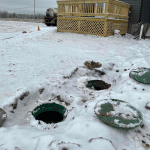
Outside, a recurring septic odor outside near the drainfield area can suggest wastewater is not dispersing properly or is surfacing.
Soggy yard, standing water, or unusually green grass
Spring makes it tricky because some wetness is normal. The key is whether the wetness is localized and persistent in the same area.
Be alert for:
- standing water near septic areas
- a persistent soggy yard patch that feels spongy
- grass that is unusually lush in a specific strip or rectangle
- wetness that appears even when the rest of the yard dries out
Those can be signs the drainfield is overwhelmed or that effluent is surfacing rather than dispersing underground.
A backup or wastewater in the lowest drain
If you see wastewater backing up into a tub, shower, or floor drain, treat it as urgent. Reduce water use immediately and contact PumperJack Septic. A true septic backup is not a “wait and see” situation.
What these symptoms often mean (without guesswork)
Spring symptoms can come from a few common root causes. You don’t need to diagnose it alone, but understanding the likely culprits helps you respond wisely.
The tank is due for pumping
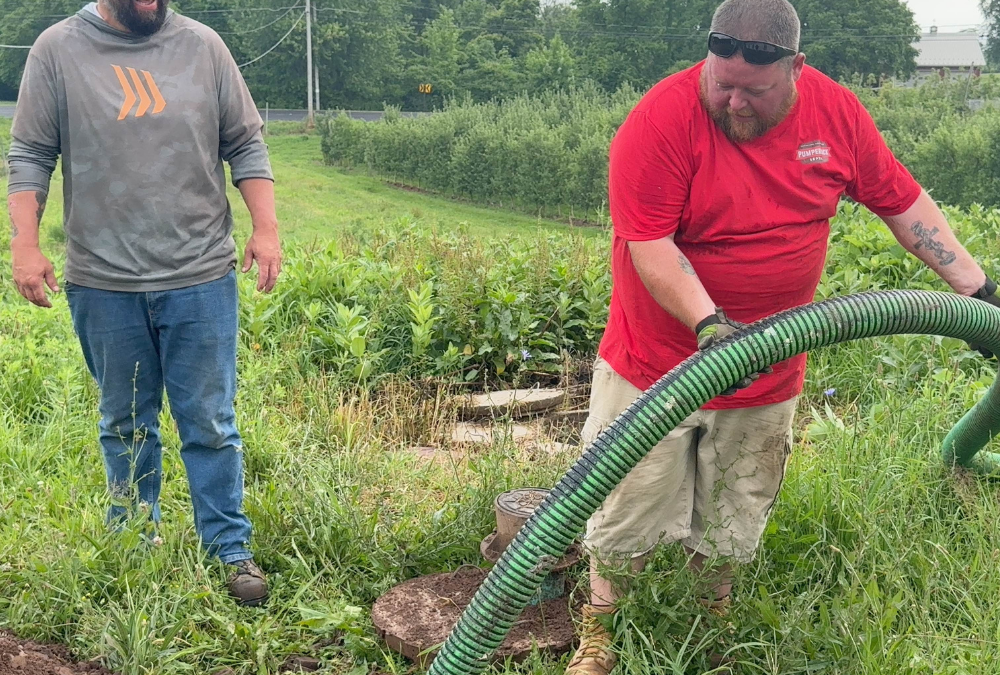
A septic tank has a limited capacity for solids. Over time, solids build up. If the tank is overdue for septic pumping, the system becomes more sensitive to high water use and wet conditions. Spring water spikes and saturated soil can make an overdue tank show symptoms suddenly.
The drainfield is saturated
When soil can’t absorb efficiently, wastewater moves more slowly through the system. In spring, saturation can be temporary due to weather, but it can also reveal long-term issues like soil compaction, poor drainage, or drainfield decline.
A line is partially blocked or compromised
Roots, buildup, settling, or slope issues can create partial blockages that worsen when the system is stressed. Spring is when those issues often become noticeable.
Water use is spiking too quickly
Spring cleaning can overload systems: multiple loads of laundry, deep cleaning, long showers, and dishwashing can add up fast. If your system was already close to its limit, a couple of heavy weekends can be enough to trigger symptoms.
If you’re experiencing recurring spring issues, PumperJack Septic can help identify whether your problem is overdue service, drainfield saturation, or something structural that needs repair.
What to do first when you notice spring warning signs
If you notice slow drains, gurgling, odors, or wet patches, your first steps should reduce stress on the system and give you clearer information. Avoid panic fixes that can make things worse.
Reduce water use for a short window
Give your system some breathing room:
- pause laundry and dishwasher use
- shorten showers
- avoid back-to-back baths or heavy sink use
- don’t run multiple water-heavy tasks at once
This helps prevent pushing solids toward the drainfield and may reduce symptoms if overload is a major factor.
Walk the yard and document what you see
Check areas around the drainfield and tank location. Take a few photos if you see wet spots or unusually green patches. Note whether wetness worsens after rain or remains constant.
Avoid chemical “solutions”
Drain openers and septic additives won’t fix drainfield saturation, and they can disrupt the bacterial balance in your tank. If you’re dealing with a system issue, chemical products may add another layer of problems.
Call for professional help when symptoms persist
If multiple drains remain slow, odors persist, or wet areas keep returning, it’s time to contact PumperJack Septic. It’s far easier to solve a developing issue than to respond after a backup or drainfield failure.
How to prevent spring septic problems from repeating
The best prevention comes down to three goals: keep solids under control, protect the drainfield, and smooth out water use.
Stay current on septic pumping
If you don’t know when your tank was last serviced, consider that a sign you may be overdue. Septic pumping helps prevent solids from accumulating to the point where they threaten the drainfield.
Many households pump every 3–5 years, but that range varies with:
- household size
- tank size
- water use habits
- garbage disposal use
If you want a plan that matches your home, PumperJack Septic can help set a practical septic pumping schedule.
Consider a septic inspection when patterns repeat
A septic inspection is especially helpful if:
- you bought the home recently
- you’re seeing recurring spring slow drains or odors
- you suspect drainfield stress
- you’ve increased household size or water use
Inspections can reveal issues with baffles, flow, tank condition, and signs that the drainfield is struggling.
Protect the drainfield from water and compaction
Drainfield care is simple but powerful:
- redirect downspouts away from the drainfield
- avoid parking or heavy equipment over the drainfield
- don’t place sheds, patios, or hardscape on top of it
- avoid planting deep-rooted trees near lines
A compacted drainfield can’t absorb properly. A flooded drainfield can’t treat properly. Both conditions can lead to spring symptoms and long-term decline.
Spread out spring-cleaning water use
Spring cleaning is a major seasonal trigger. If you want to deep-clean without stressing the system:
- spread laundry loads across several days
- avoid marathon cleaning weekends that stack laundry, showers, and dishwashing
- stagger high-water tasks and give the system time to process
Is it normal spring wetness, or is it septic?
A useful rule of thumb: normal spring wetness is scattered and temporary. Septic-related wetness tends to be localized, persistent, and sometimes accompanied by odor.
If you see a consistently soggy patch in the same spot, especially with septic odor outside, it’s worth getting checked.
If you have slow drains indoors plus wetness outside, it’s even more important to call PumperJack Septic promptly. Those combined symptoms often indicate the system is under real strain.
When to call PumperJack Septic
Reach out to PumperJack Septic if you notice:
- multiple slow drains at once
- gurgling toilet or bubbling drains paired with slow drainage
- persistent septic smell in the house or septic odor outside
- a soggy yard or standing water near septic areas
- any sign of septic backup
Spring issues can escalate quickly when the ground is saturated. Getting expert help early is one of the best ways to protect your home, your yard, and your wallet.
Spring takeaway
Spring doesn’t create septic problems so much as it exposes them. When the ground saturates and water use increases, a stressed system starts showing signs: slow drains, gurgling, odors, and wet patches. The best response is to reduce water spikes, avoid chemical “quick fixes,” protect your drainfield, and stay current on pumping and inspections.
If you’re seeing symptoms or want a clear plan for the season, PumperJack Septic is ready to help with dependable septic service, including septic pumping and septic inspections, so you can enjoy spring without septic surprises.