Frequently Asked Questions
What is snaking a drain?
Snaking a drain is a plumbing method used to clear clogs by inserting a flexible auger, or snake, into the drain line. This tool breaks up and removes obstructions, restoring proper flow in the plumbing system.
When is drain snaking necessary?
Drain snaking is necessary when you experience frequent clogs, slow drainage, or backups in your plumbing system. It effectively removes stubborn blockages caused by debris, tree roots, or grease buildup, restoring proper flow.
What tools are used for drain snaking?
The tools used for drain snaking include a flexible auger, also known as a drain snake, which is designed to navigate through pipes, as well as various attachments for breaking up clogs and removing debris effectively.
How effective is drain snaking for clogs?
The effectiveness of drain snaking for clogs is significant, as it can efficiently remove blockages caused by debris, grease, or tree roots, restoring proper flow in your plumbing system.
Can I perform drain snaking myself?
Performing drain snaking yourself is possible, but it can be risky without the right tools and experience. For effective and safe results, it's best to rely on professionals like PumperJack Septic to handle stubborn clogs.
What are the signs of a clogged drain?
The signs of a clogged drain include slow drainage, gurgling sounds, unpleasant odors, and water pooling around fixtures. If you notice any of these indicators, it’s essential to seek professional help to prevent further issues.
How often should I snake my drains?
The frequency of snaking your drains depends on usage and specific issues. Generally, it's recommended to snake your drains at least once a year to prevent clogs and maintain optimal flow.
What causes drains to become clogged?
Drains can become clogged due to a buildup of debris such as hair, grease, food particles, and soap scum, as well as foreign objects accidentally entering the system. Regular maintenance can help prevent these issues.
Is drain snaking safe for all pipes?
Drain snaking is generally safe for most pipes, including PVC and metal, but caution is needed with older or fragile pipes. It's best to consult a professional to assess your specific plumbing system before proceeding.
How long does drain snaking take?
The duration of drain snaking varies depending on the severity of the clog, but typically it takes between 30 minutes to an hour for most situations.
What are the benefits of drain snaking?
The benefits of drain snaking include effectively clearing clogs, preventing future blockages, and maintaining healthy drainage systems. This method is non-invasive and can save you from costly repairs by addressing issues before they escalate.
When should I call a professional for snaking?
The right time to call a professional for snaking is when you experience frequent clogs, slow drains, or recurring plumbing issues that simple fixes cannot resolve. Professional services ensure effective and safe removal of stubborn blockages.
How does drain snaking compare to other methods?
Drain snaking is a highly effective method for clearing clogs compared to other techniques like chemical drain cleaners or hydro jetting. It physically removes blockages without damaging pipes, making it a safer and more reliable option for long-term solutions.
What is the cost of professional drain snaking?
The cost of professional drain snaking varies based on factors such as the severity of the blockage and the location. Typically, you can expect to pay between $100 to $300 for this essential service.
Can drain snaking prevent future clogs?
Drain snaking can help prevent future clogs. By removing buildup and debris from your pipes, it ensures smoother water flow and reduces the likelihood of blockages reoccurring. Regular snaking is an effective maintenance measure for your plumbing system.
What should I do before snaking a drain?
Before snaking a drain, you should clear the area around the drain, remove any visible debris, and ensure that you have the necessary tools on hand. Additionally, consider turning off any appliances that may use the same drainage system to prevent further clogs.
How do I know if snaking worked?
The effectiveness of snaking can be determined by observing improved drainage flow and the absence of recurring clogs. If your drains are running smoothly after the service, it’s a strong indication that the snaking worked.
Are there any risks with drain snaking?
The risks associated with drain snaking include potential damage to pipes if not performed correctly, as well as the possibility of injury to the person operating the snake. It's essential to hire professionals like PumperJack Septic to mitigate these risks.
What types of clogs can be removed by snaking?
The types of clogs that can be removed by snaking include hair, grease, soap buildup, food particles, and foreign objects lodged in the pipes. This method effectively clears blockages, restoring proper drainage.
How does drain snaking work mechanically?
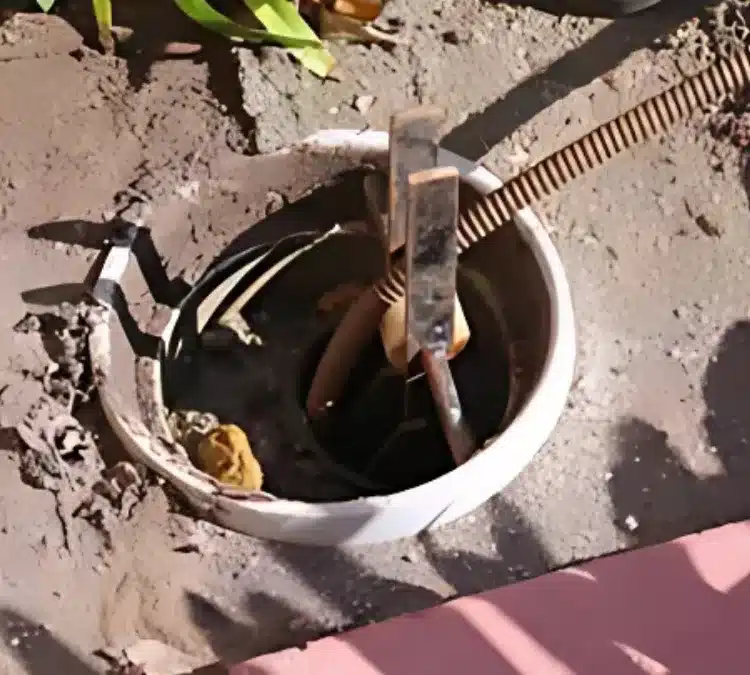
Drain snaking works mechanically by using a flexible, coiled metal cable that is inserted into the drain. As the cable is pushed through the pipe, it rotates to break up and remove clogs, restoring proper flow.
What is the history of drain snaking techniques?
The history of drain snaking techniques dates back to the early 19th century when basic tools were developed to clear blockages in plumbing systems. Over time, these methods evolved into more sophisticated equipment, enhancing efficiency in managing clogged drains.
Can drain snaking help with slow drains?
Drain snaking can effectively help with slow drains. By removing blockages and buildup within the pipes, it restores proper flow and prevents further drainage issues.
What maintenance can reduce the need for snaking?
Regular maintenance can significantly reduce the need for snaking. Performing routine drain cleaning, avoiding flushing non-biodegradable items, and using enzyme-based cleaners can help keep your pipes clear and prevent clogs from forming.
How do I choose a drain snaking service?
Choosing a drain snaking service involves considering the company's experience, customer reviews, and the range of services offered. Ensure they are licensed and provide emergency assistance to address your needs effectively.
What are common misconceptions about drain snaking?
Common misconceptions about drain snaking include the belief that it's a DIY task and that it can fix all plumbing issues. In reality, professional expertise is often needed to ensure effective and safe drain cleaning.
How does drain snaking affect plumbing systems?
Drain snaking affects plumbing systems by effectively removing clogs and blockages, allowing for smoother water flow and reducing the risk of future backups. This preventative maintenance helps maintain the overall health and efficiency of your plumbing system.
What should I expect during a snaking service?
During a snaking service, you can expect a thorough inspection of your plumbing system, followed by the insertion of a flexible auger to remove clogs. Our trained technicians will ensure minimal disruption while restoring your drains to optimal flow.
How can I prepare for a drain snaking appointment?
Preparing for a drain snaking appointment involves clearing the area around the affected drain, ensuring easy access for the technician, and removing any items that may obstruct their work.
What are the environmental impacts of drain snaking?
The environmental impacts of drain snaking include minimal disruption to the ecosystem, as it effectively removes clogs without harmful chemicals. This method helps maintain proper drainage, preventing potential sewage overflows that could harm the environment.
How does drain snaking differ from hydro jetting?
Drain snaking and hydro jetting differ in their methods of clearing clogs. Drain snaking uses a flexible auger to physically break up blockages, while hydro jetting employs high-pressure water streams to thoroughly clean and remove debris from pipes.